Why are Natural Dog Treats So Popular?
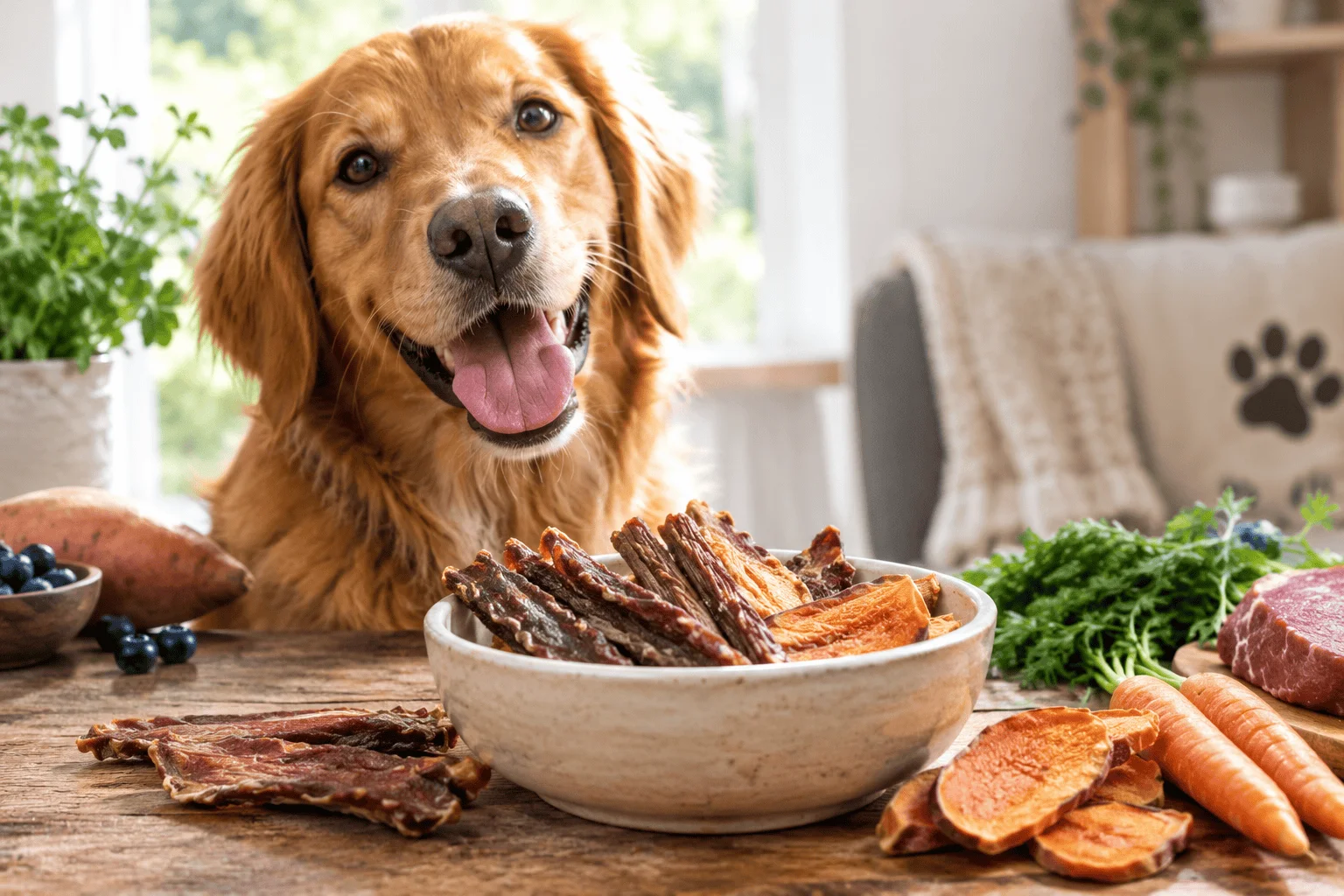 Natural dog treats have become an increasingly popular choice among pet owners. As customers become more interested in what goes into their pets' food and treats, demand for products with simple, recognisable ingredients continues to grow.
For pet shops and other retailers, natural dog treats can be an excellent addition to a well-rounded product range, offering customers greater choice while catering to the growing interest in natural pet products.
But what exactly are natural dog treats, and why are so many dog owners choosing them?
What Are Natural Dog Treats?
Natural dog treats are generally associated with treats made using recognisable, straightforward ingredients and minimal processing. They can come in many different forms, from single-ingredient meat treats and air-dried products to natural chews, training rewards and fish-based treats.
Common ingredients include:
- Chicken
- Beef
- Lamb
- Duck
- Rabbit
- Venison
- Fish
- Pork
It's worth remembering that the term "natural" can cover a wide variety of products. Rather than relying solely on the description on the packaging, dog owners should look at the ingredients and product information to understand exactly what they are buying.
For retailers, clear and informative product descriptions are particularly valuable. Customers want to feel confident about the products they are purchasing for their pets.
Why Are Natural Dog Treats So Popular?
There are several reasons why natural dog treats have become such an important part of the pet market.
Today's pet owners are often more conscious of the ingredients in their dogs' food and treats.
Rather than simply looking at the brand or price, many customers want to know what a product contains. Treats made with recognisable ingredients can appeal to owners who prefer a simpler approach to rewarding their dogs.
This makes ingredient transparency an important consideration for retailers when choosing products for their shelves.
Every dog is different. Some may prefer soft treats, while others enjoy something crunchy or a longer-lasting chew.
Natural dog treats are available in a wide range of textures, flavours and formats, allowing retailers to offer something for different preferences.
Providing variety can also encourage customers to try new products and discover their dog's favourites.
Dog treats aren't only used as occasional rewards. Many owners use them for training, enrichment, rewarding good behaviour or simply as a way of treating their pet.
This creates demand for different types of treats.
Small, bite-sized treats can be useful for training, while larger chews can provide a longer-lasting experience. Having both options available allows customers to choose a product according to the occasion.
The popularity of natural products isn't limited to dog treats. Pet owners are increasingly interested in natural foods, grooming products, supplements and accessories.
Natural treats fit naturally into this wider trend and can be an attractive category for retailers looking to expand their premium or natural product selection.
What Types of Natural Dog Treats Are Available?
One of the advantages of the natural treat category is the variety of products available.
Single-Ingredient Treats
Single-ingredient treats can be an appealing option for owners who prefer straightforward products.
These may include treats made from a single type of meat or fish, providing a simple option for customers who want to know exactly what they're giving their dog.
Air-Dried Dog Treats
Air-dried treats are produced by removing moisture from the ingredients, helping to create a shelf-stable product.
They are available in a variety of meat and fish options and can provide retailers with another way to offer customers premium natural treats.
Natural Dog Chews
Natural chews are another popular category. Their different textures and longer-lasting nature make them a useful option for owners looking for something beyond a traditional small reward.
Retailers can create a dedicated natural chew section or merchandise chews alongside other dog treats.
Training Treats
Training treats are typically smaller and designed to be given as rewards during training.
Because training can involve multiple rewards, small treats can be particularly practical. Offering different flavours and textures can also give owners plenty of choice.
Fish-Based Treats
Fish-based treats provide an alternative to more traditional meat options.
They can help retailers introduce greater variety into their natural treat selection while giving customers another protein option to consider.
What Should Retailers Look For When Choosing Natural Dog Treats?
For pet shops, choosing the right products is about more than simply finding popular treats. A balanced range should cater to different customers, budgets and occasions.
Here are some important things to consider.
Clear Ingredient Information
Customers want to understand what they are buying. Products with clear, easy-to-understand ingredient information can make it easier for shoppers to make informed decisions.
A Variety of Proteins
Consider offering several different protein options rather than relying on just one. Chicken, beef, lamb, fish and other proteins can help create a more varied selection.
Different Sizes and Textures
A good range can include small training rewards, everyday treats and longer-lasting chews.
This gives customers options depending on their dog's size, preferences and the reason for buying the treat.
Attractive Packaging
Packaging plays an important role in retail. Clear product information combined with attractive packaging can help products stand out on a busy shelf.
Shelf Life and Stock Rotation
As with any retail product, wholesalers and retailers should pay attention to best-before dates and storage requirements.
Good stock rotation helps retailers manage their inventory effectively and ensures products are presented to customers appropriately.
How Can Pet Shops Merchandise Natural Dog Treats?
Natural treats don't necessarily need to be displayed as one large category.
Retailers can divide their range into smaller sections to make it easier for customers to find what they're looking for.
For example:
- Natural Dog Treats
- Training Treats
- Natural Dog Chews
- Fish Treats
- Single-Protein Treats
- Puppy Treats
- Premium Treats
Creating clear categories can also make it easier for staff to recommend products based on what a customer is looking for.
Another option is to merchandise treats alongside complementary products. For example, training treats could be displayed near training leads or toys, while natural chews could be positioned alongside other enrichment products.
Why Is a Strong Natural Treat Range Important for Retailers?
For independent pet shops, having a well-selected range of natural treats can help create a point of difference.
Rather than offering customers a small selection of similar products, retailers can provide a range covering different proteins, textures, sizes and price points.
This gives customers more choice and creates opportunities to introduce them to products they may not have considered before.
The Growing Opportunity for Natural Dog Treats
Natural dog treats are now an important part of the wider pet treats market. With customers taking a closer interest in ingredients and looking for greater variety, the category offers plenty of opportunities for both retailers and wholesalers.
From simple single-ingredient treats and air-dried products to training rewards and natural chews, there are plenty of ways to build a selection that appeals to different types of dog owners.
For retailers, the key is creating a balanced range that offers variety while keeping products clear, accessible and easy for customers to understand.
Looking to Stock Natural Dog Treats?
Whether you're an independent pet shop, online retailer, groomer or other pet business, having access to a varied wholesale selection can make building your natural dog treat range much easier.
At Riverside we offer a range of wholesale pet treats designed to give retailers plenty of choice across different products, flavours and formats.
Browse our natural dog treat range or get in touch with our Sales Team to discuss your requirements.
Collagen-rich Products
Many pet treats contain collagen because it’s great for joint health, skin and coat support, and overall mobility—especially in dogs that are older or active. Collagen is often included in treats as hydrolyzed collagen, gelatin, or specific collagen peptides, and can come from sources like beef, chicken, or fish.
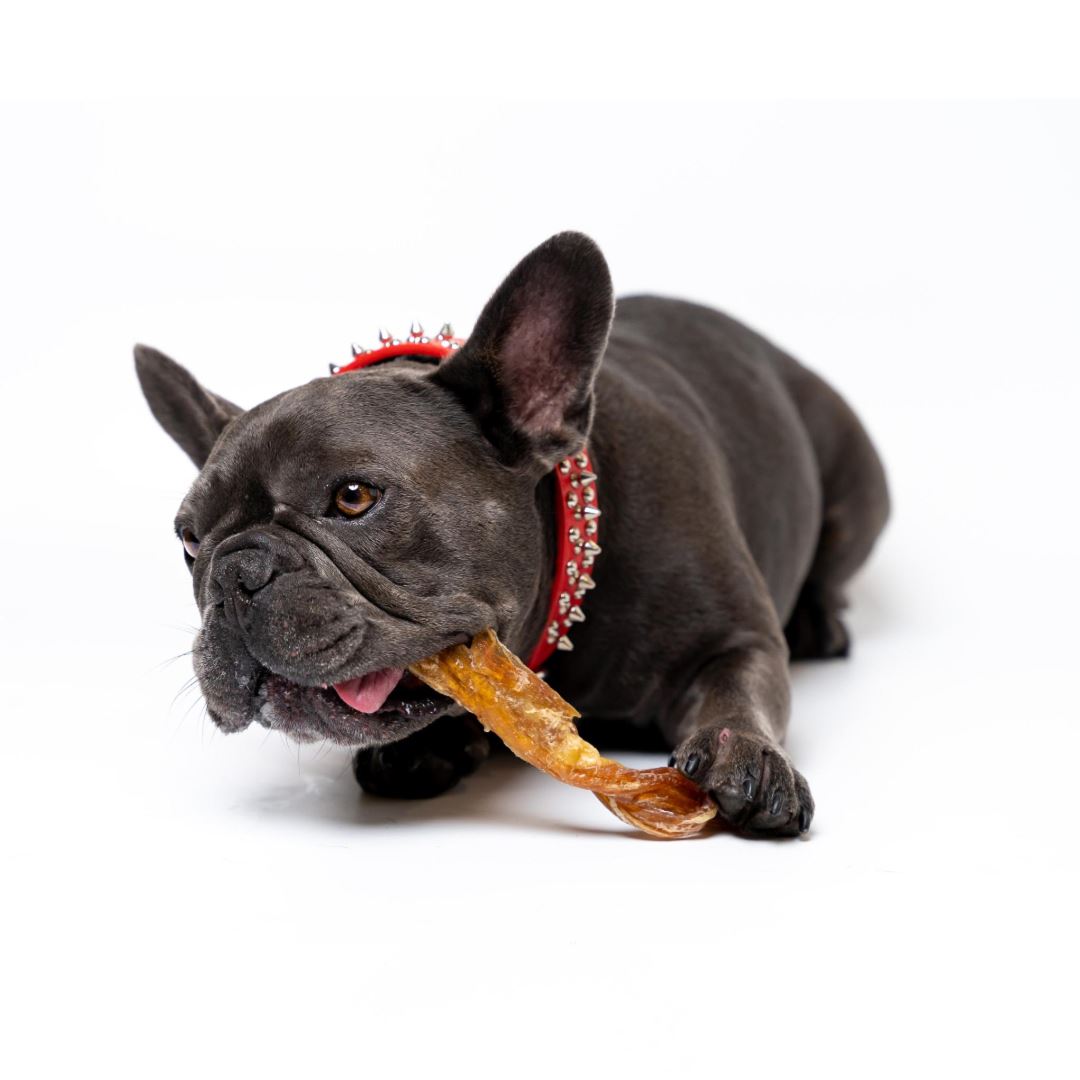
Here’s an overview of types of collagen-containing pet treats and what to look for:
🦴 Common Types of Collagen Treats for Pets
These are among the most common collagen treats and often include other joint-support ingredients like glucosamine and chondroitin.
- Soft chews or tablets formulated to promote joint cartilage health
- Collagen may be listed as hydrolyzed collagen or collagen peptides
Good for: Dogs with stiffness, older pets, active working breeds
Some dental chews use collagen or gelatin to add texture and benefit oral health.
- Chews that help remove plaque/tartar
- Collagen can act as a protein boost and help the chew hold its shape
Good for: Daily chew treat + oral hygiene support
These are simpler treats that naturally contain collagen without added supplements:
- Beef or pork tendons
- Chicken or turkey necks
- Beef trachea
- Pig ears
These parts are rich in natural collagen and connective tissue.
Good for: Pets that do well with single-ingredient, low-additive treats
Freeze-dried treats often preserve collagen content very well.
- Can be made from chicken feet, fish skin, or other high-collagen parts
- Often labelled “collagen-rich” or “joint support”
Good for: High-value training treats
🐶 How to Pick a Good Collagen Treat
- ✔️ Named source of collagen (e.g., chicken, beef, fish)
- ✔️ Hydrolyzed collagen/peptides for easier absorption
- ✔️ Joint support formulas often include beneficial combos
- ✔️ Age-appropriate for your pet
💡 Avoid treats with too many fillers, artificial colours, or unnecessary additives.
🐕 Specific Examples of Collagen Treats
Here are typical categories you’ll see:
- Joint support chews with collagen + glucosamine
- Freeze-dried collagen snacks (fish or poultry)
- Natural collagen chews (e.g., beef trachea, chicken feet)
- Collagen supplement bites for skin & coat
We sell a range of dog treats that include collagen. Look out for ‘Collagen Rich’ tabs on our products or call the office on (01270) 759804 for advice. 
How Independent Pet Shops can compete with Big Chains
Independent pet shops often feel the pressure of competing with large retail chains and online giants. With lower pricing power and bigger marketing budgets on the other side, it can seem like an uphill battle.
But here’s the reality: independent shops have unique advantages that big chains simply can’t replicate—and when used properly, they can not only compete, but thrive.
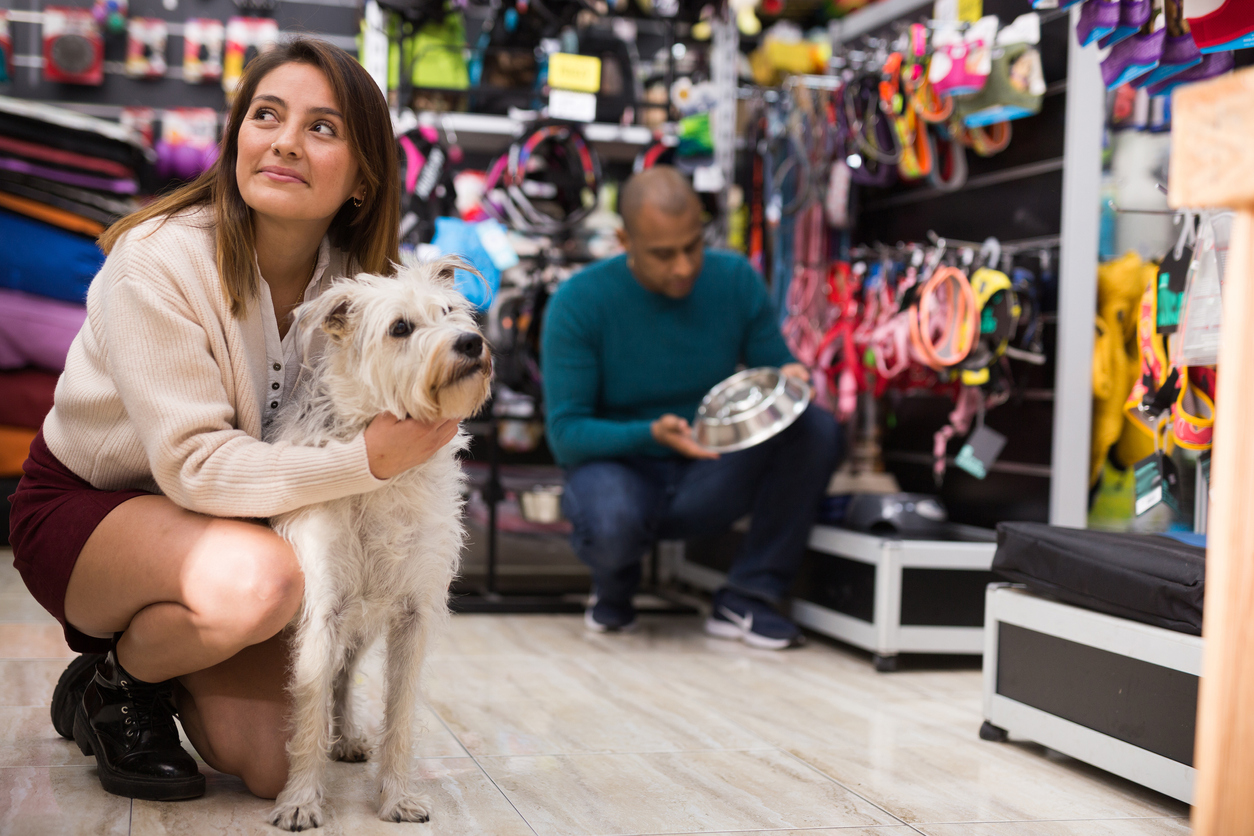
💡 1. Win on Expertise, Not Price
Big chains compete on price. Independent shops win on knowledge and trust.
Customers walking into a local pet shop are often looking for:
- Advice on the best treats for their dog’s needs
- Help with allergies or sensitivities
- Recommendations they can trust
How to use this:
- Train staff to understand ingredients and product benefits
- Recommend specific solutions (e.g., calming treats, dental chews)
- Share feeding guidance and treat usage tips
👉 When customers trust your advice, they’re far less price-sensitive.
🛍️ 2. Don’t Compete on Range
Large chains stock everything. Independent shops should stock the right things.
Instead of trying to match range, focus on:
- High-quality, natural, or premium treats
- Unique or hard-to-find products
- Reliable best-sellers with proven demand
Why it works:
A thought out selection reduces overwhelm and positions your shop as a specialist, not a generalist.